| |
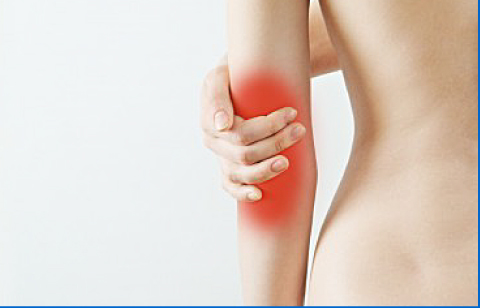
Pain in the back of the elbow
There are a number of conditions that may cause pain at the back of the elbow. The commoner causes include inflammation of the olecranon bursa, posterior elbow impingement, and triceps tendonitis. Although these problems can share some symptoms, the pattern of pain, the presence of swelling, and the findings on examination usually help to identify the cause. In some cases, further investigations such as X-rays, ultrasound or MRI scan may be needed, and if bursitis is significantly swollen or infection is suspected, aspiration of the swelling may also be considered.
1. Olecranon Bursitis
This is inflammation of the bursa, a small fluid-filled sac that lies over the olecranon, which is the bony point at the back of the elbow. It may develop after repeated minor pressure or friction on the elbow, which is why it is sometimes called “Student’s Elbow” or “Plumber’s Elbow”. It can also occur in association with inflammatory conditions such as rheumatoid arthritis or gout, and occasionally it may be caused by infection. Patients usually notice swelling over the back of the elbow, sometimes with redness, warmth and pain, especially when leaning on the elbow. When infection is suspected, the elbow may be more painful, hot and tender, and medical assessment is important.
Initial treatment usually includes avoiding repeated pressure on the elbow, padding, compression, rest, and anti-inflammatory medication where appropriate. If infection is suspected, antibiotics may be required, and aspiration of the bursa may be needed to help confirm the diagnosis. If the problem becomes persistent or recurrent despite non-operative treatment, surgical excision of the bursa may be considered. Further detailed information would be provided during the consultation with Mr. Khalid Ayoub.
2. Posterior Impingement of Elbow
This condition is usually caused by repeated or forceful straightening of the elbow, particularly at the end range of extension. It is seen in throwing sports, racquet sports, gymnastics, weight training, and in some manual occupations. Repetitive stress may lead to irritation of the joint lining, cartilage wear, small bone spurs, or loose fragments at the back of the elbow. Patients typically complain of pain and tenderness at the back of the elbow, especially when trying to fully straighten the joint. Some may also notice stiffness, loss of full extension, catching, clicking or locking symptoms.
The diagnosis is not always straightforward and may require specialist assessment. X-rays are often useful, while ultrasound or MRI scans may be arranged in selected cases to assess the soft tissues, cartilage, and any impingement changes more fully. Initial treatment commonly includes activity modification, rest, anti-inflammatory medication, physiotherapy, and sometimes a steroid injection in selected cases. If symptoms persist despite these measures, surgical treatment may be advised, either by arthroscopic (keyhole) surgery or by an open procedure depending on the extent of the problem. Further detailed information would be provided during the consultation with Mr. Khalid Ayoub.
3. Triceps Tendonitis
This is an overuse condition affecting the triceps tendon where it attaches to the olecranon at the back of the elbow. It is more common in weight training, bodybuilding, throwing sports, and activities that involve repeated resisted elbow extension. Patients usually complain of pain at the back of the elbow, with a tender spot over the tendon insertion. The pain is often worse during pushing activities, dips, presses, or other exercises that load the triceps. In more significant cases there may also be swelling, and pain may increase when resisting elbow extension.
Treatment usually consists of rest from aggravating activities, rehabilitation exercises, and anti-inflammatory medication where appropriate. A gradual return to sport or gym work is important once symptoms begin to settle. If symptoms are prolonged, or if there is concern about a partial tear, ultrasound or MRI scan may be needed. If left untreated, longstanding tendon disease may weaken the tendon and increase the risk of partial or complete rupture. In such cases, specialist assessment is recommended and surgery may occasionally be required. Further detailed information would be provided during the consultation with Mr. Khalid Ayoub. Back…
|
|