| |
Frozen Shoulder
Description of the Condition
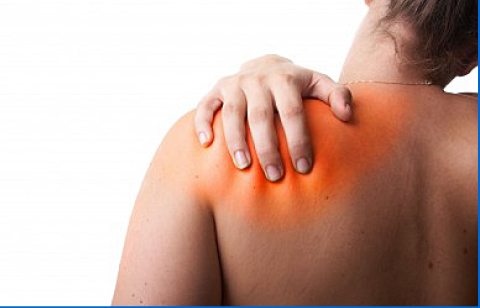
Frozen shoulder is a painful condition in which the lining of the shoulder joint, known as the capsule, becomes inflamed, thickened and tight. As a result, the shoulder gradually becomes stiff and loses movement. The condition usually develops slowly and often passes through stages, beginning with pain, followed by increasing stiffness, and then a gradual recovery. It is more common in people with diabetes, but it can also occur in other people, sometimes after a minor injury or a period of reduced shoulder movement. The main features are severe pain and stiffness in the shoulder, leading to deterioration in the function and use of the arm. Everyday activities such as dressing, washing, reaching overhead and sleeping can become very difficult. Diagnosis
Frozen shoulder is mainly diagnosed by clinical assessment and examination. A key feature is marked restriction of shoulder movement. X-rays are often used to rule out other causes such as arthritis or calcification. Ultrasound scan or MRI scan may sometimes be needed if there is concern about other shoulder problems.
Treatment
Treatment usually starts with conservative measures such as painkillers, anti-inflammatory medication when appropriate, physiotherapy, and steroid injection into the shoulder joint.
Another minimally invasive treatment is arthrogram hydrodilatation, also known as hydrodistension or capsular distension. This is an outpatient procedure performed under local anaesthetic, using ultrasound or X-ray guidance, where fluid is injected into the shoulder joint to stretch the tight capsule and help improve pain and movement.
If symptoms remain severe despite non-surgical treatment, arthroscopic capsular release may be recommended. This is a keyhole operation to release the tight capsule of the shoulder and improve movement, usually followed by physiotherapy.
Further detailed information, and the appropriate treatment options will be provided by Mr. Ayoub during the consultation. Back...
|
|